
 +(123) 698-5245
 info@domain.com
 24/11 Robert Road, New York, USA


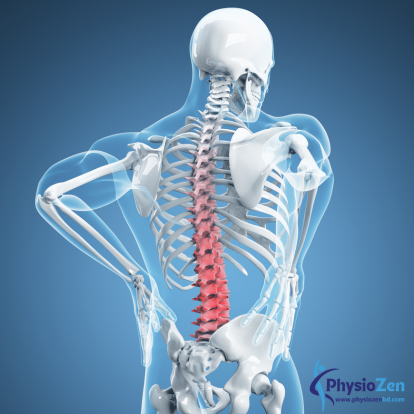
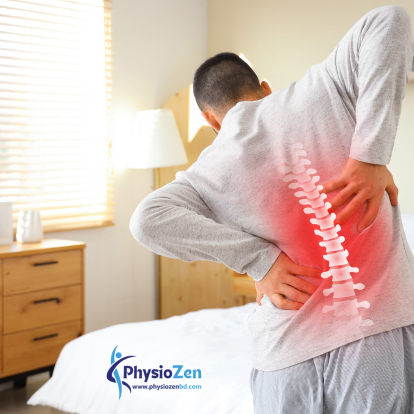
Lower back pain may develop from **muscle strain**, **ligament sprain**, or irritation of the spinal joints after lifting, twisting, or sudden overuse. It is also commonly linked to **herniated discs**, **poor posture**, prolonged sitting, and repeated mechanical stress on the spine. In some cases, **degenerative conditions** such as osteoarthritis or disc wear contribute to ongoing discomfort and stiffness. These causes can overlap, making lower back pain a complex condition that often needs more than simple rest. Physiotherapy helps identify the contributing factors so treatment can address the root problem rather than only the symptoms. Early intervention is especially important when pain begins to limit normal function.
Symptoms can vary from a dull ache to sharp, stabbing pain that worsens with bending, lifting, or standing for long periods. Many people experience **mobility limitations**, morning stiffness, or difficulty changing positions comfortably. Pain may also **radiate** into the buttocks or legs when nerves are irritated, which can indicate a more significant spinal issue. Some patients notice weakness, tightness, or a feeling of instability in the lower back during movement. The severity of symptoms does not always match the level of tissue damage, so a careful clinical review is essential. Tracking how pain changes with activity helps guide the most appropriate treatment plan.
Free ask question?
Therapy, often referred to as psychotherapy or counseling, involves a range of treatments designed to help individuals manage mental health issues, emotional challenges, and personal growth. It can include talking therapies, and various techniques tailored to the individual’s needs.
Physiotherapy plays a vital role in recovery after a sports injury or surgery by providing targeted treatments that aid in healing and restoring function. Here's how physiotherapy helps promoting a smoother recovery process.
Physiotherapy plays a vital role in recovery after a sports injury or surgery by providing targeted treatments that aid in healing and restoring function. Here's how physiotherapy helps promoting a smoother recovery process.
Physiotherapy plays a vital role in recovery after a sports injury or surgery by providing targeted treatments that aid in healing and restoring function. Here's how physiotherapy helps promoting a smoother recovery process.
Physiotherapy plays a vital role in recovery after a sports injury or surgery by providing targeted treatments that aid in healing and restoring function. Here's how physiotherapy helps promoting a smoother recovery process.
Physiotherapy plays a vital role in recovery after a sports injury or surgery by providing targeted treatments that aid in healing and restoring function. Here's how physiotherapy helps promoting a smoother recovery process.