
 +(123) 698-5245
 info@domain.com
 24/11 Robert Road, New York, USA

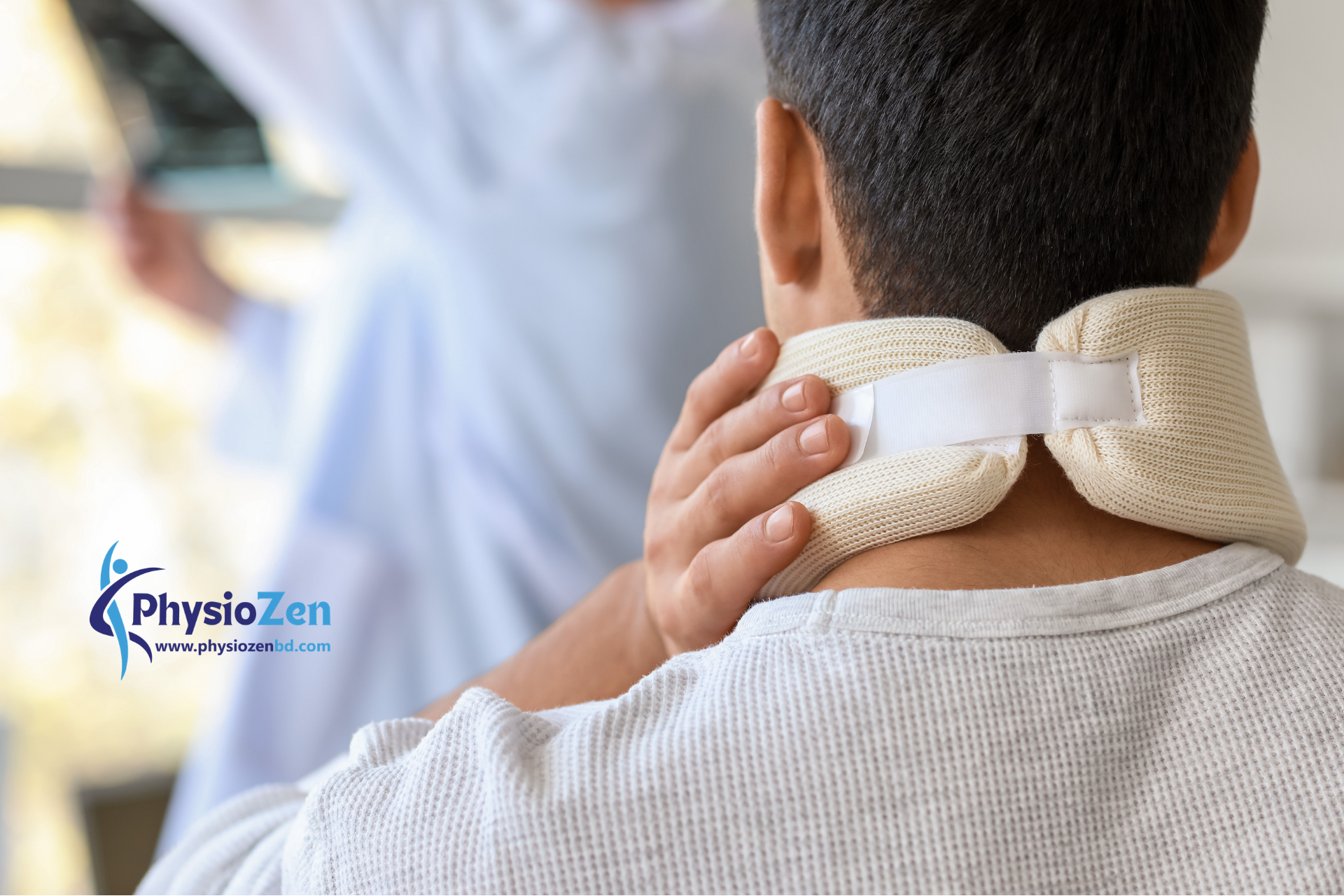
Neck pain can develop from a wide range of causes, including poor posture, muscle strain, whiplash, and degenerative conditions such as cervical spondylosis. Prolonged computer use, looking down at devices, and sleeping in awkward positions often place extra stress on the neck muscles and joints. In some people, pain may also be linked to stress, tension, or reduced movement in the upper back and shoulders. Because the neck supports the weight of the head, even small mechanical imbalances can create significant discomfort over time. Understanding the source of the problem is an important first step in choosing the right treatment.
Common symptoms include stiffness, reduced range of motion, headaches, and pain that may spread into the shoulders or arms. Some people notice tingling, burning, or radiating pain if nerves are irritated, while others mainly feel a dull ache that worsens with movement. Symptoms may be mild and temporary, or they may persist and gradually affect daily function. It is important to seek professional help if neck pain follows an injury, becomes severe, is associated with numbness or weakness, or does not improve with rest. Early assessment can help prevent the condition from becoming chronic and guide safer recovery.

Free ask question?
Therapy, often referred to as psychotherapy or counseling, involves a range of treatments designed to help individuals manage mental health issues, emotional challenges, and personal growth. It can include talking therapies, and various techniques tailored to the individual’s needs.
Physiotherapy plays a vital role in recovery after a sports injury or surgery by providing targeted treatments that aid in healing and restoring function. Here's how physiotherapy helps promoting a smoother recovery process.
Physiotherapy plays a vital role in recovery after a sports injury or surgery by providing targeted treatments that aid in healing and restoring function. Here's how physiotherapy helps promoting a smoother recovery process.
Physiotherapy plays a vital role in recovery after a sports injury or surgery by providing targeted treatments that aid in healing and restoring function. Here's how physiotherapy helps promoting a smoother recovery process.
Physiotherapy plays a vital role in recovery after a sports injury or surgery by providing targeted treatments that aid in healing and restoring function. Here's how physiotherapy helps promoting a smoother recovery process.
Physiotherapy plays a vital role in recovery after a sports injury or surgery by providing targeted treatments that aid in healing and restoring function. Here's how physiotherapy helps promoting a smoother recovery process.